
Whether you have questions about shopping for jewelry, how to take care of it, or what to do when something happens, we have the answers:
“Is My Diamond Actually Real?”
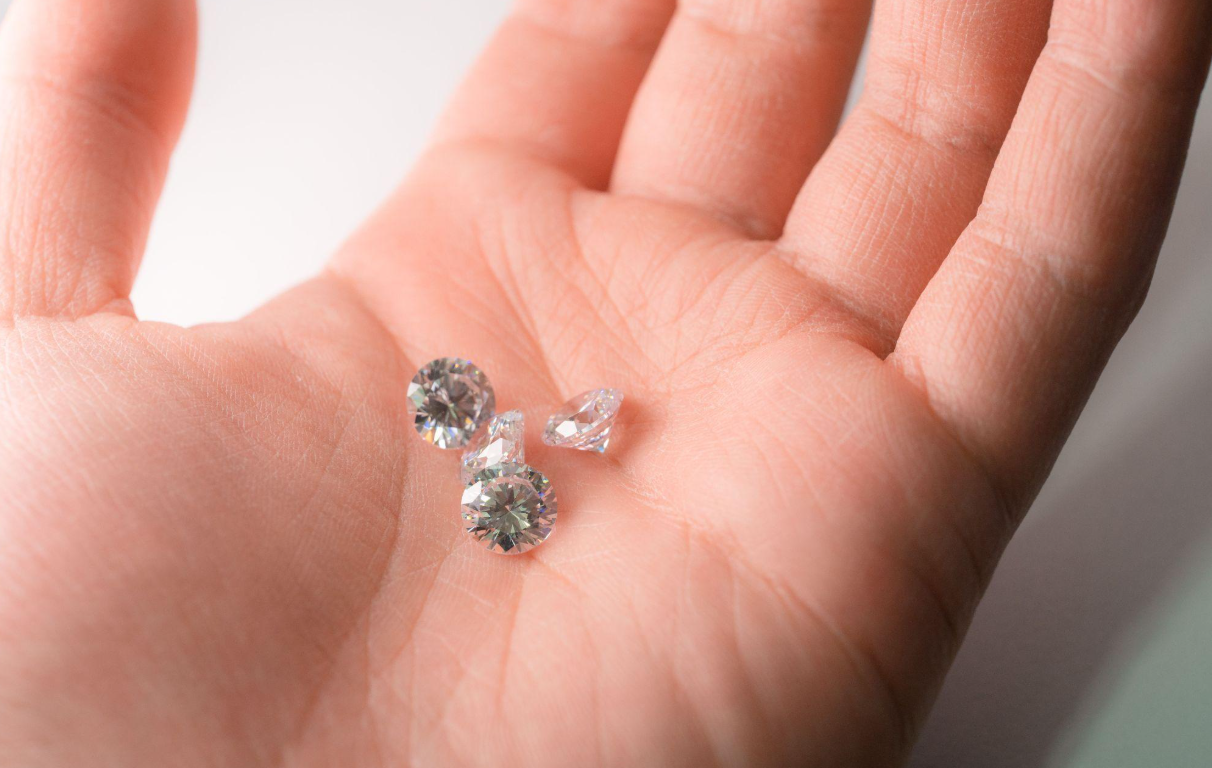
First, it's important to figure out what you mean by “real diamond.” Some people assume only natural diamonds are real, but that’s not the case. Lab-grown diamonds are chemically and physically identical to natural diamonds. But if you’re wondering if you have a cubic zirconia or other diamond simulant versus a natural or lab-grown diamond, a jeweler can help you answer that question.
Jewelers use professional testing equipment to determine whether you have a diamond, a CZ, a clear quartz, or any other stone that looks like a diamond, but isn’t. A jeweler will not automatically assume a diamond is real or fake based on superficial experience. Testing is required to make an accurate determination.
“How Much Is My Jewelry Actually Worth?”
There isn’t necessarily one single ‘value’ for a piece of jewelry. Every piece of jewelry has a few different values. There’s the retail price, the replacement or insurance value, the appraised value, the resale value, and the sentimental value. Jewelers can help you appraise a piece to determine its current monetary value. That value will help you understand what your piece is now worth, how much you could reasonably resell your piece for, and how much you should insure it for.
Here are the factors a jeweler may consider when appraising the current monetary value of your piece:
- Materials used in the piece
- Quality of any diamonds or gemstones included in the piece
- Brand or designer behind the piece
- Condition of the piece
- Craftsmanship and complexity of the piece
- Age of the piece
- Current market prices of the materials used in the piece–the market value of diamonds, gold, and other jewelry materials are always fluctuating
How Much Is My Ring Worth?
A jeweler needs to examine the actual piece before giving a meaningful answer. Photos and an original purchase price can provide context, but they don’t necessarily establish the total value of a piece.
“Is My Jewelry Too Cheap for a Jeweler to Care About?”
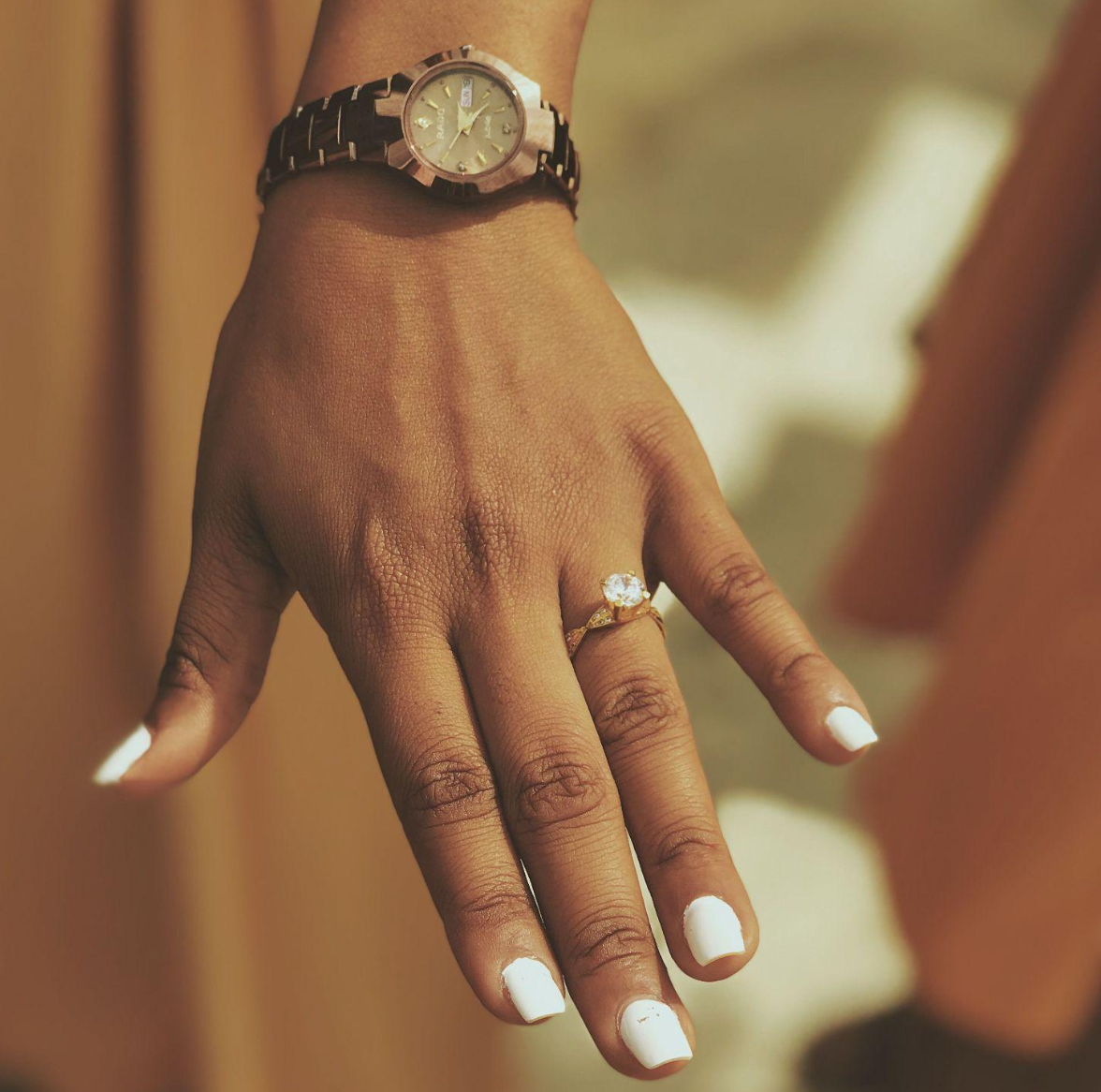
If you care about a piece of jeweler, your jeweler will care about it, too. But that doesn’t mean they’ll be able to fix or clean it. Professional jewelers work with fine jewelry: pieces made from precious metals and gemstones. They are not necessarily able to repair or work with jewelry that is made from less durable materials. It’s not that they don’t care–it’s that they don’t want to risk damaging your piece.
“Are Jewelers Going to Judge If I Have a Small Budget?”
No, not at all. It’s not a jeweler’s job to judge, and they’re not interested in doing so. They are interested in helping you find the jewelry of your dreams at the right price point. While it’s important to be realistic–fine jewelry is going to be an investment, because it’s meant to last decades–shoppers are often surprised at the range of price points they find here at Ware Jewelers.
Our team will do their best to find you a piece that suits your budget and your tastes. And we can always work with you to fill any gaps by offering a financing plan to qualified buyers.
“Can I Just Ask What Something Costs?”
Yes, absolutely. At Ware Jewelers, we try to make prices visible on each piece so that you don’t even feel like you have to ask. But if you’re ever unsure, you can of course ask your jeweler what something costs. You might also want to know the monetary value of a piece that doesn’t have a price tag, like:
- Inherited jewelry
- Old gold or silver
- Antique jewelry
- Jewelry you no longer wear
- Jewelry you’re considering selling or insuring
Jewelers can tell you the value of these pieces, too. During an appraisal, jewelers will use testing to authenticate a piece and determine its worth.
Never be embarrassed to ask what something costs. But if you want to phrase it differently for your own comfort, here are a few questions you can ask:
- What’s the price of this piece?
- Is there something similar for less?
- What’s the difference between these two pieces?
- Can you show me options within a specific budget?
- Is this worth repairing?
“Why Does Jewelry Repair Cost So Much?”
Customers don’t always realize how much work goes into jewelry repair. And we get it–after all, repairs happen in our workshop, so you don’t see the full process. But keep in mind that jewelry repair costs must take into account:
- Compensation for skilled laborers
- Time to complete the repair
- The cost of any precious metals or gemstones we need to use in the piece
- The cost of specialized jewelry repair tools
- The cost of polishing and cleaning materials
- The complexity of a repair
- Fees for expedited repairs
The less complicated your repair, the less it will cost. For instance, resizing a simple wedding band will cost less than structurally restoring a delicate antique pendant. Remember, though, that you don’t have to jump into a repair without knowing what it will cost. You can always get a quote from your jeweler before you commit to a repair. At Ware Jewelers, we’ll always let you know what to expect up front.
“Can You Fix My Jewelry Even If I Didn’t Buy It Here?”
Yes. Many jewelers are willing to evaluate and repair pieces of jewelry purchased elsewhere. Keep in mind, however, that if your jewelry was previously damaged or poorly made by whichever retailer you originally bought it from, another jeweler may have trouble repairing it. Also, be aware that some jewelry stores offer promotions or repair discounts that only apply to jewelry purchased in their store. Call ahead or ask a jeweler questions in-person to determine the store’s repair policies.
If you’re in Alabama–specifically Auburn, Opelika, Montgomery, or Spanish Fort–and looking for jewelry repair near you, Ware Jewelers is here for you, even if you didn’t originally buy your piece in our store.
“Is My Broken Jewelry Even Worth Repairing?”
It depends. Often, the answer is yes. But before you decide to spend money on a repair, you may want to consider:
- Sentimental value
- Monetary value
- Cost of repair
- Condition of the piece
- Design complexity
- Materials used in the piece
- Availability of replacement materials
- Whether the piece can realistically be restored
“Worth repairing” isn’t always the same as “worth the money.” Sentimental value and personal feelings toward a piece often play a big role in the decision to repair a piece or not. As long as a piece can safely be repaired, Ware Jewelers is willing to help–regardless of its monetary value.
“Can You Make My Ring Bigger Or Smaller?”
Yes, most rings can be resized. But some rings are harder to resize than others–and a small percentage of rings can’t be resized at all.
Can Any Rings Be Resized?
Rings that may be difficult or impossible to resize include:
- Eternity bands
- Fragile antique rings
- Rings made from brittle metals, like tungsten
Most rings–even some eternity or antique rings–can be resized. Always contact a Jeweler before you assume your ring cannot be resized.
How Much Can a Ring Be Resized?
Most rings can safely be resized 1-3 times before losing their structural integrity. They can typically be sized up or down as much as you need. But it depends on the style of and materials used in the ring. Talk to your jeweler to get answers for your specific type of ring.
“How Often Do I Really Need to Clean My Jewelry?”
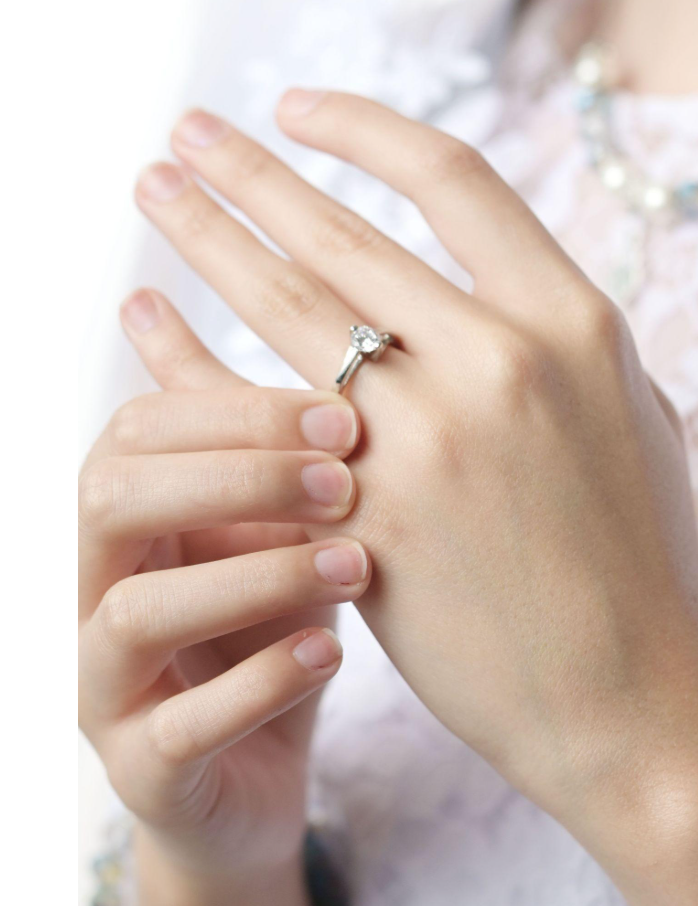
Jewelry you wear every day should be cleaned once every 4-6 weeks. This includes engagement rings, wedding bands, and any other daily jewelry like diamond studs or your favorite pendant. You don’t always need to bring your jewelry in for a professional cleaning, though. You can perform basic cleanings at home with a simple solution of lukewarm water and a few drops of mild dish soap. But once every 6-12 months, you should bring your everyday jewelry to a professional jeweler for a deep cleaning and inspection.
When it comes to jewelry you don’t wear often, you can typically clean it once a year. You may want to get these pieces professionally cleaned if they start to look dull or dirty. And once every few years, bring them to a professional jeweler for a deep cleaning and inspection.
A jewelry inspection is one of the most important parts of a cleaning. During an inspection, a jeweler will carefully look over your piece for any signs of wear or damage. They’ll check for:
- Thinning prongs
- Thinning shanks
- Loose stones
- Cracks or scratches
Getting regular jewelry inspections may seem like a hassle, but it can save you lots of time, money, and heartbreak in the future, since jewelers can catch any issues while they’re still minor and manageable.
“What If I Don’t Know What Kind of Stone I Have?”
If you have any questions about the quality, composition, or monetary value of your jewelry, a professional jeweler can help. You don’t have to know anything about the piece, either! You can walk into a store like Ware Jewelers without knowing:
- What type of gemstone you have
- The carat weight of your gemstones
- The type of metal used in your piece
- The grade of diamonds or gemstones used in the piece
- The age of the piece
- Who designed the piece
As professional jewelers, we can answer these questions for you as we authenticate and appraise the piece.
How Do I Identify an Unknown Gemstone?
You can’t accurately identify a gemstone just by looking at it. Many gemstones look alike on the surface, and the differences only become clear during professional testing. In fact, before gemstone testing technology came around, it was very common for geologists, jewelers, and jewelry buyers to confuse one gemstone for another. Thankfully, modern testing can identify gemstones beyond a shadow of a doubt. So, bring any gemstones you can’t identify to a professional jeweler for inspection.
“What Does 14K Actually Mean?”
14K refers to 14 karat gold. Karat is a measure of gold purity. Most pieces of jewelry are not made from 100% gold. That’s because gold on its own is very soft and easy to scratch.
Instead, jewelers create gold alloys by mixing pure gold with tiny amounts of other, stronger metals like silver or copper. 14k, 16k, and 18k gold jewelry is much more durable. For example, you will never see a 24k gold engagement ring, because it would be far too easy to damage during daily wear. Instead, you’re much more likely to see 14k or 16k gold engagement rings. Other pieces of gold jewelry may be 24k, but these should be treated as true luxury pieces to be worn rarely and carefully.
Karats measure how many parts of a gold piece are actual gold (out of 24 total parts). Here is a chart of common karat measurements and what they mean:
|
|
|
|
|
|
|
|
|
|
|
|
|
|
|
|
|
|
|
|
|
|
|
|
“Why Does My Jewelry Say 925?”
925 is a stamp indicating that a piece of jewelry is made of authentic sterling silver. The number 925 refers to the fact that the jewelry is 92.5% pure silver.
“Can I Wear My Engagement Ring All the Time?”
No, you should not wear your engagement ring all the time. Certain activities can be very risky for your engagement ring. Always remove your engagement ring before you:
- Swim in pools or natural bodies of water
- Use cleaning chemicals
- Shower
- Apply makeup, skincare, or hair products
- Sleep
- Garden
- Perform home repair projects
- Exercise or play sports
- Do any activity that might hurt your hands
When in doubt, it’s always better to be safe than sorry. Store your engagement ring in a jewelry dish, ring pouch, or jewelry box whenever you remove it.
“Can You Use Old Jewelry to Make Something New?”
Yes, you can absolutely use old jewelry to make something new. This is called jewelry
redesign, and it's one of the most common projects our custom jewelers see in the workshop! You might stop wearing a piece of jewelry for any number of reasons. It could be outdated, look aged, or simply clash with your current style. Redesigning an old or inherited piece lets you take your favorite elements of the piece and turn them into something new and fresh. Through jewelry redesign, you can:
- Reset old diamonds or gemstones into new settings
- Melt, reshape, and reuse precious metals
- Redesign inherited jewelry to fit modern styles
- Transform outdated or aged pieces
Not sure if a piece can be designed? Visit a store like Ware Jewelers to find out more about jewelry redesign near you.
“Is It Cheaper to Repair Jewelry or Buy Something New?”
It depends on the type of jewelry you need to repair and how complex the repair will be. Very old, very damaged, or very complicated pieces will cost more to restore and repair. In these cases, it may be cheaper to buy something new. But here at Ware Jewelers, we’ll work with you to determine what level of repair is worth it to you.
“What Happens If I Lose a Stone?”
Losing a stone is scary and stressful. The good news is, stones can usually be replaced. But first, know what to do as soon as you notice a missing stone:
- Stop wearing the piece.
- Keep the jewelry and any loose pieces safe by placing them in a small bag or jewelry box.
- Bring the piece to a jeweler to be inspected right away.
Once you’ve brought your piece to a professional jeweler, they will:
- Determine whether the stone can be replaced or recovered
- Determine and repair any issues with the setting
- Attempt to match a replacement gemstone
“Can I Go to a Jeweler Just to Ask a Question?”
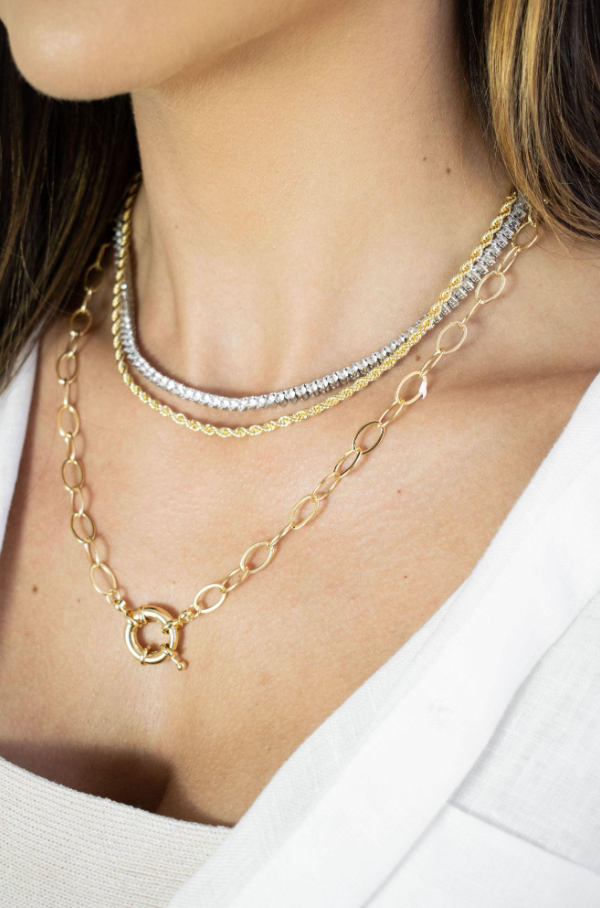
Yes, you can absolutely visit a jeweler just to ask a question. Jewelry stores are staffed by jewelry experts who are happy to help you at every step of the way, even before you’re ready to make a purchase. If you don’t want to travel all the way to the store in-person, feel free to give them a call.
“What Should I Ask a Jeweler Before Buying an Engagement Ring?”
An engagement ring is one of the most important purchases you will ever make, and it’s a good idea to ask questions before you buy. Here are some smart questions to ask your jeweler as you explore your engagement ring options:
- Is this diamond natural or lab-grown?
- Can I see this diamond’s grading report?
- What does the warranty cover?
- Can this ring be resized?
- What kind of maintenance is recommended?
- If the ring needs repair, can I bring it back here?
- Do you have a diamond trade-in or diamond upgrade program?
- What is the difference between these ring styles?
- What is the difference between these stones?
“What Questions Should I Ask Before Buying Expensive Jewelry?”
You should also ask smart questions before buying any other piece of fine jewelry. Here’s what to ask before buying any piece of jewelry:
- What materials are used in this piece?
- What are these stones?
- Can I see the stones’ grading report?
- What kind of documentation comes with this piece?
- What is the return policy?
- Is this piece natural, lab-grown, synthetic, or simulated?
- How should I care for this piece?
- What does the warranty cover?
- Is this insured?
- Can this piece be repaired locally?
- Can it be resized?